

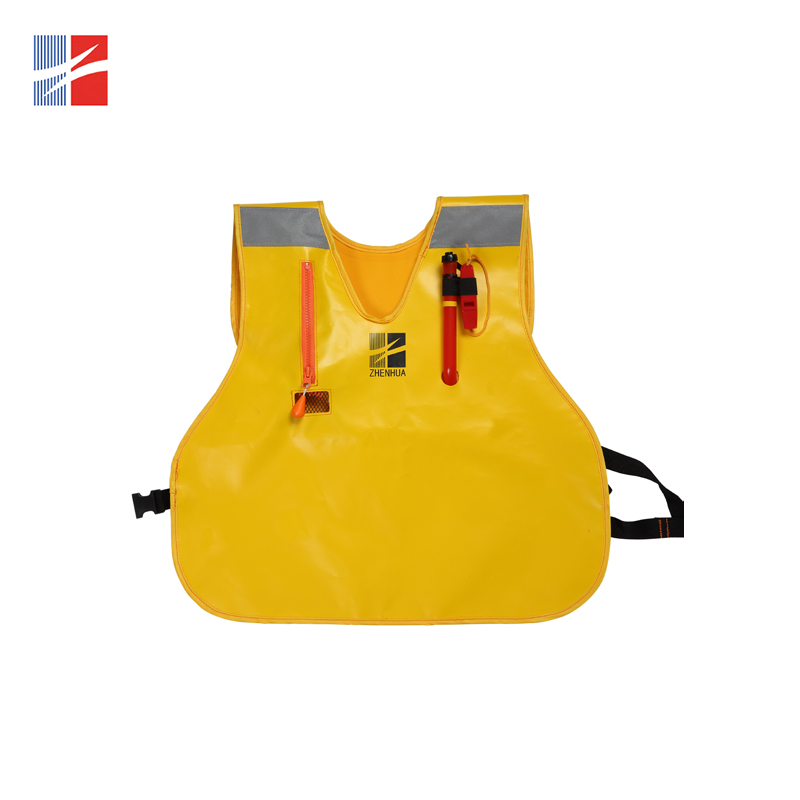
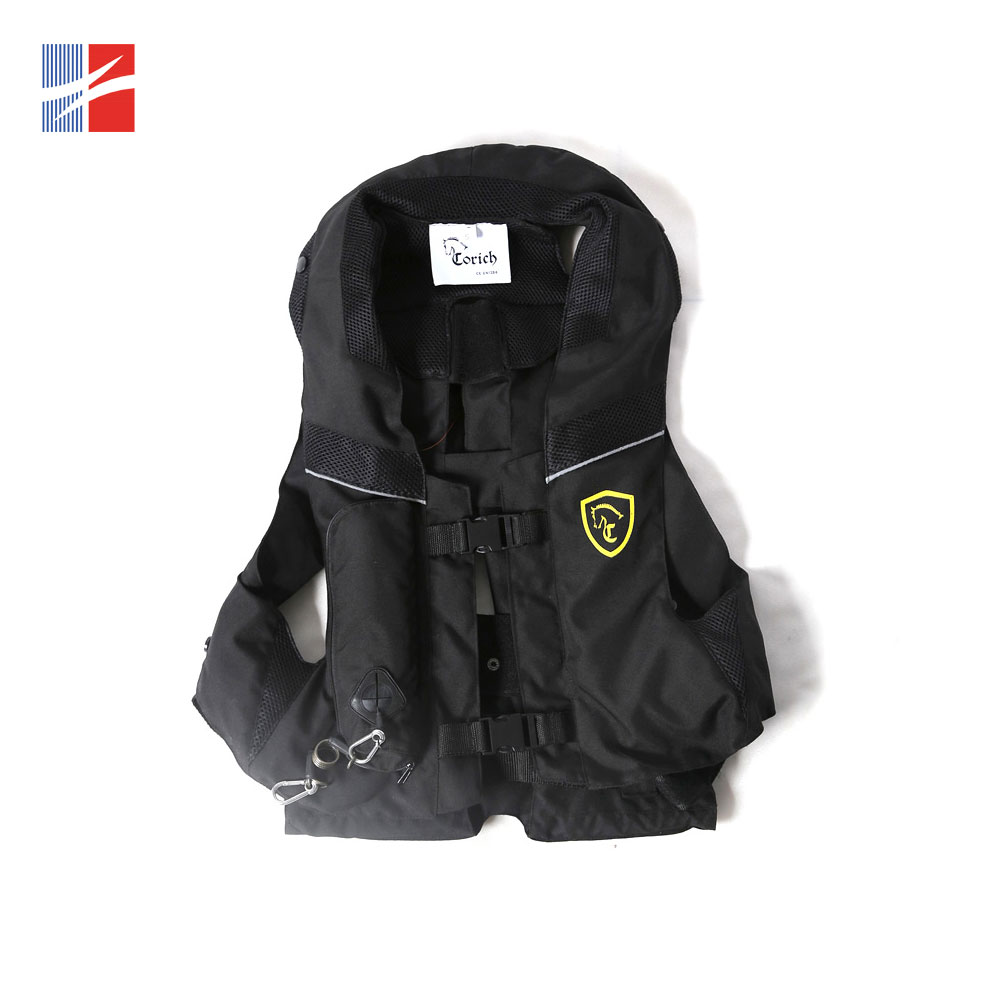
Wearing a life jacket can provide a stable buoyancy for those who fall into the water, and can make the mouth and nose of the unconscious person out of the water.
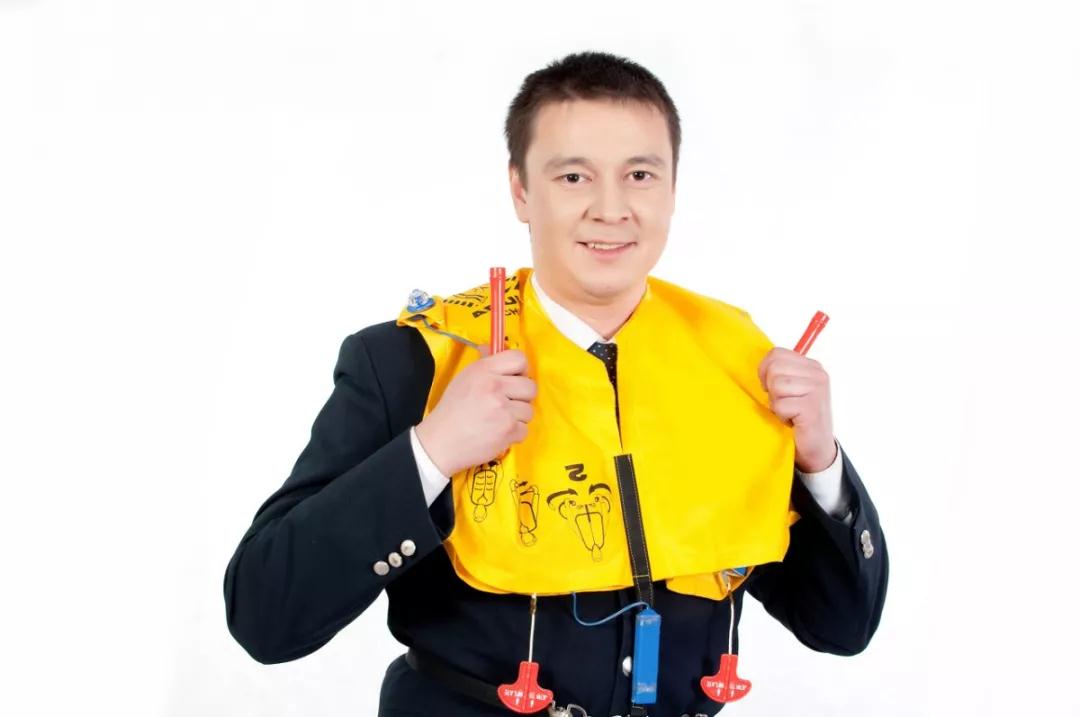
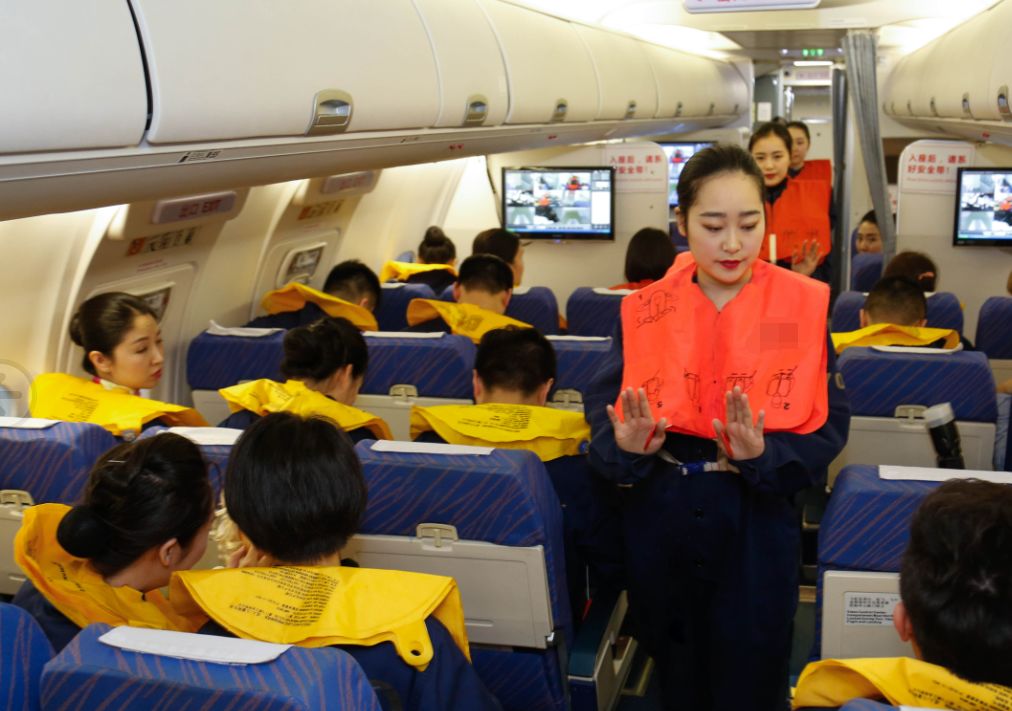
Life jackets are divided into two types: inflatable life jackets and foam life jackets. The special life jackets on board are generally inflatable, red/orange for the crew and yellow for the passengers. Brightly colored life jackets can help people who are caught in the water to be found and rescued, while at the same time keeping warm and preventing heat loss from the body.

The life jacket should be printed with the ship's name and port of registry. Store in a cool, dry environment, avoid prolonged sun exposure, and do not touch corrosive substances such as acids and alkalis, so as not to damage the life jacket;
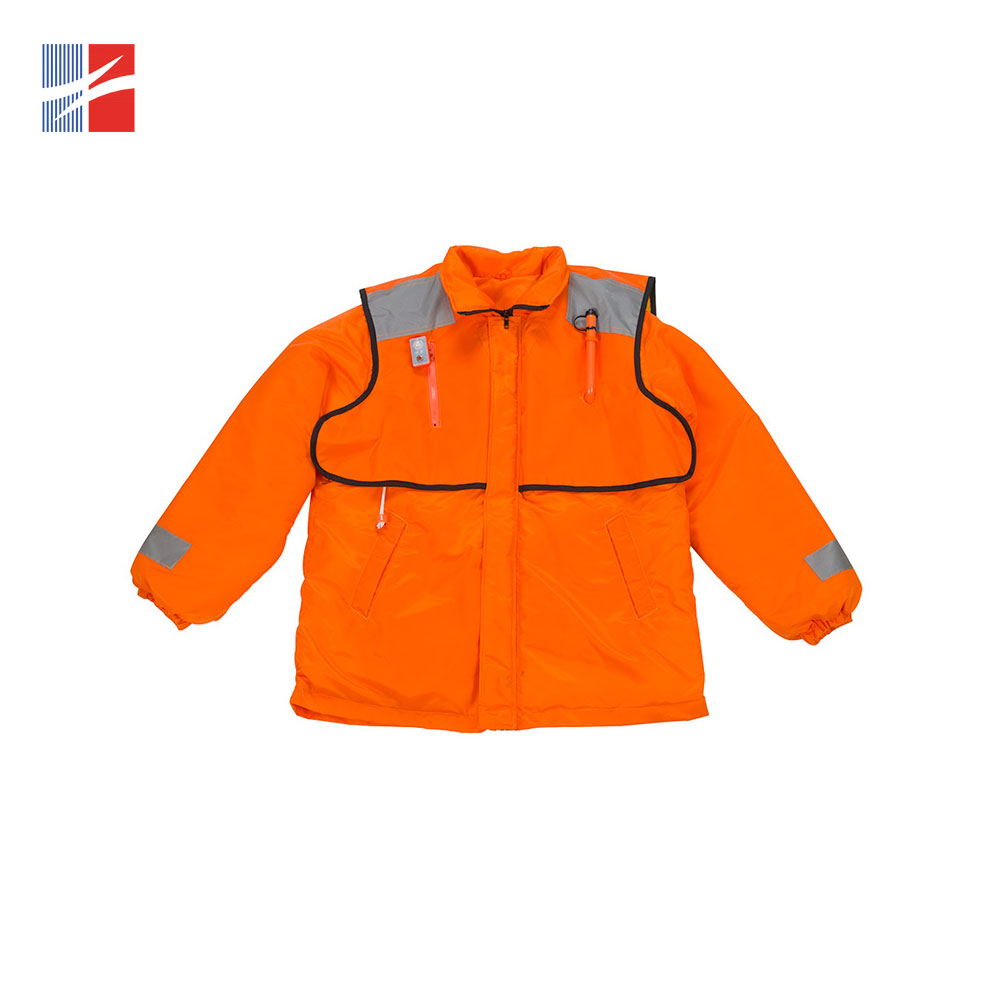
The safety clothing should be selected according to the weight and height. Persons with a weight of 43 kg and a height of 155 cm and above should wear adult life jackets. Persons with a weight of less than 43 kg and a height of less than 155 cm should choose the corresponding child safety clothing.


